

-
Products

-
-
-
After-sale Service
What is a Roots blower composed of?
Release time:
2022-04-07
The rotor of the Roots blower consists of an impeller and a shaft. The impeller can be divided into linear and spiral shapes, and the number of blades on the impeller is generally two or three. The rotation of the two-blade rotors inside the Roots blower casing relies on the synchronized transmission of torque through their respective gear meshing, so these gears are also called "synchronous gears." Synchronous gears serve both as transmission and as a positioning mechanism for the impeller. The structure of synchronous gears is relatively complex, consisting of a gear ring and a gear hub, positioned by a conical pin. Roots blowers typically use rolling bearings, which have advantages such as ease of maintenance and reduced axial dimensions of the blower, as well as convenient lubrication. The sealing areas of the Roots blower are mainly at the gap seal of the drive shaft extending out of the casing, which has a relatively simple structure, usually employing labyrinth seals or expansion ring seals. The oil seal for the bearings uses a skeleton rubber oil seal. The casing of the Roots blower can be either integral or horizontally split, with a simple structure. For large power gas blowers commonly used in chemical plants, such as gas blowers and absorption tower blowers, most adopt horizontally split blower casings that are convenient for maintenance and installation.
The rotor of the Roots blower consists of an impeller and a shaft. The impeller can be divided into linear and spiral shapes, and the number of blades on the impeller is generally two or three. The rotation of the two-blade rotors inside the Roots blower casing relies on the synchronized transmission of torque through their respective gear meshing, so these gears are also called "synchronous gears." Synchronous gears serve both as transmission and as a positioning mechanism for the impeller. The structure of synchronous gears is relatively complex, consisting of a gear ring and a gear hub, positioned by a conical pin. Roots blowers generally use rolling bearings, which have advantages such as easy maintenance and reduced axial Size of the blower, as well as convenient lubrication.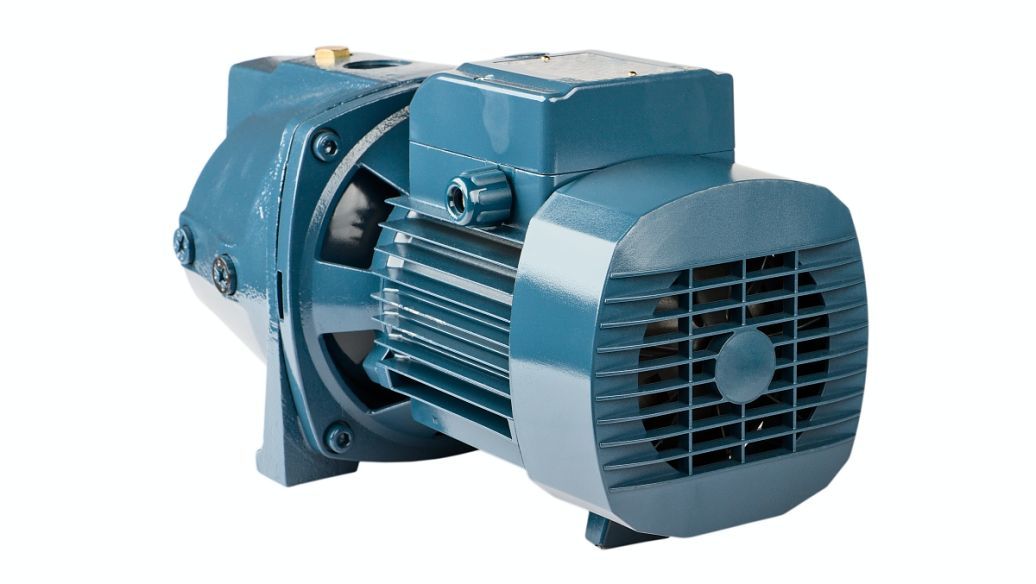 The sealing parts of the Roots blower are mainly the gap seals of the transmission shaft that extends out of the casing and the casing itself. Its structure is relatively simple, generally using labyrinth seals or expanding ring seals. The oil seal for the bearings uses a skeleton rubber oil seal. The casing of the Roots blower can be either integral or horizontally split, with a simple structure. For large power gas blowers and absorption tower blowers commonly used in chemical plants, most adopt horizontally split blower casings that are convenient for maintenance and installation.
Key words:

Submit information now to obtain the total solution of wind turbine
To provide users with high-quality products and convenient pre-sale, sale and after-sales service, reflecting the "Ming Feng" to make users satisfied with the whole process of service.
No. 1-3, West First Road North, Fenghuangshan Industrial Park, Puji Street, Zhangqiu District, Jinan City, Shandong Province
Free service hotline