

-
Products

-
-
-
After-sale Service
Introduction to the maintenance methods of Roots blowers!
Release time:
2021-03-05
Different devices need to be maintained and serviced. If problems arise, they need to be repaired promptly, and the methods vary depending on the specific issues.
Different equipment requires maintenance, and if problems arise, timely repairs are necessary. The methods vary depending on the issues encountered. When faced with such situations, we need to analyze the problems and find solutions!
Roots bloweris a type of positive displacement blower. It has two three-lobe rotors that rotate relative to each other in a space enclosed by a casing and wall plates. Each rotor uses an involute or external arc envelope, so all three blades of each rotor are the same, which greatly reduces the difficulty of processing.
During processing, the rotors use CNC equipment to ensure that the two rotors maintain a very small gap regardless of their position, as long as the center distance remains unchanged, thus ensuring that air leakage is within an acceptable range.
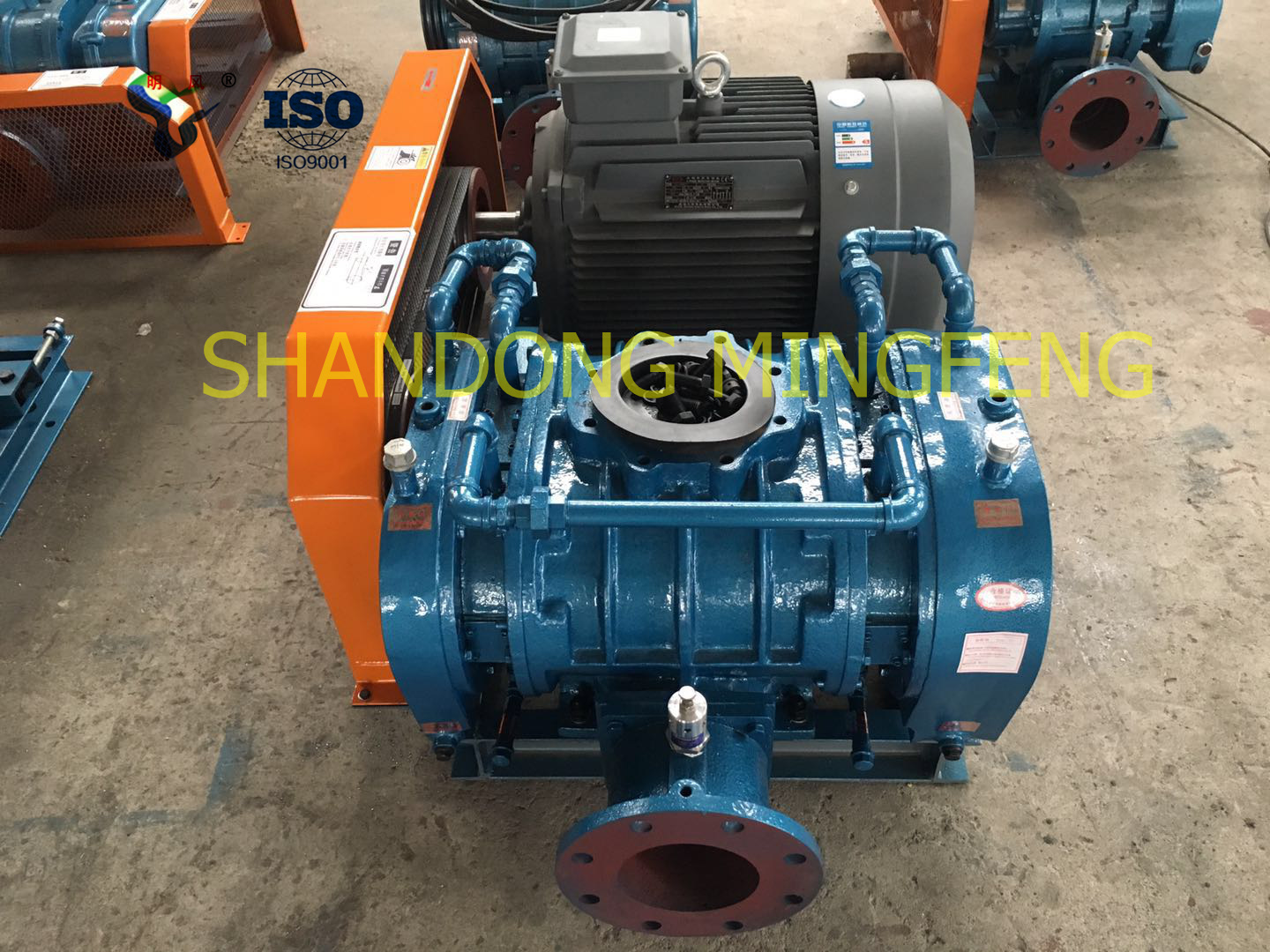
1. Damage to the rotor shaft keyway
During the operation of the Roots blower, factors such as the operating environment can often lead to wear and damage of the shaft head and keyway. When problems occur, traditional methods involve welding or plating followed by machining for repair. However, the high temperature of the weld can’t eliminate thermal stress, making it prone to bending or breaking; the thickness of the plating is limited and can easily fall off.
2. Corrosion protection inside the pump
Corrosion can be classified into general corrosion and localized corrosion. The former occurs on the surface of the blower, while the latter occurs locally, such as pitting corrosion, seam corrosion, intergranular corrosion, stress corrosion cracking, corrosion fatigue, hydrogen embrittlement, wear corrosion, and delamination corrosion.
For the corrosion issues of Roots blowers, replacing equipment components is a common method used by enterprises. However, due to factors such as material and processing technology, the costs are generally high, such as enamel glass equipment, PTFE components, and high-value metal materials like titanium. Using polymer composite materials to surface-organize the coating is an effective corrosion prevention measure.
3. Oil seal leakage
Due to severe oil leakage during the operation of the Roots blower, many disadvantages arise in production. Traditional methods require long downtimes to replace seals and treat joint surfaces, making effective management during operation impossible with conventional methods.
Lubricating oil is an oil additive that does not contaminate or deteriorate the oil. It resolves safety hazards in enterprise production without downtime, saving enterprises high maintenance and replacement costs.
4. Treatment of shell cracks.
Due to casting defects, processing defects, internal stress, and overload, components of the Roots blower often crack or break. The common repair method is welding. Especially for thin-walled parts, welding often causes thermal deformation or thermal stress in the components, and some materials are difficult to weld, such as cast iron, aluminum alloy, and titanium alloy.
The above are the issues regarding equipment failures. If you encounter any other problems, feel free to consult us!
Key words:

Submit information now to obtain the total solution of wind turbine
To provide users with high-quality products and convenient pre-sale, sale and after-sales service, reflecting the "Ming Feng" to make users satisfied with the whole process of service.
No. 1-3, West First Road North, Fenghuangshan Industrial Park, Puji Street, Zhangqiu District, Jinan City, Shandong Province
Free service hotline