

-
Products

-
-
-
After-sale Service
How to solve the abnormal noise of the aeration fan?
Release time:
2022-02-18
Many users have reported that the sold Roots aeration blowers are too noisy. Is the noise a quality issue with the product? What impact does it have on the blower? Next, the editor from Mingfeng will provide a detailed analysis for you. The noise from the Roots aeration blower is not necessarily a quality issue; it may also be due to inadequate maintenance. The Roots aeration blowers produced today have undergone continuous technical improvements, and the noise levels have been significantly reduced. If your Roots aeration blower is making a lot of noise, it is likely that your blower has malfunctioned or been damaged. Here, the editor would like to remind you: first, check if the blower is properly secured. Next, let’s analyze the issues and the reasons that may lead to them: 1. Insufficient air volume from the blower 1.1. Blocked filter 1.2. Excessive gaps between parts 1.3. Replace or clean the filter 2. The motor of the blower is overloaded 2.1. Blocked blower filter 2.2. Excessive pressure increase in the blower 2.3. Friction between the impeller and the impeller, wall plate, or casing 2.4. Ensure oil level, ensure cooling water is unobstructed, and meet usage requirements for knocking sounds 3. Severe damage to bearings and gears 3.1. Poor lubrication oil 3.2. Insufficient lubrication oil 3.3. Replace lubrication oil, and replace gears and bearings if necessary 3.4. Supplement lubrication oil, and if necessary, check the bearings (it is advisable to seek specialized personnel and not disassemble casually) The above points explain why Roots aeration blowers may produce noise and provide solutions. When encountering such situations, you can refer to this information to resolve the noise issue of the Roots aeration blower. If the blower makes noise, do not panic; first, stop the machine and check what caused it. If you cannot find the reason, consult a professional repair service for the Roots aeration blower manufacturer. Regardless of how strong the quality and performance of the Roots aeration blower are, daily maintenance work should not be neglected. Only by properly maintaining the Roots aeration blower can its lifespan be extended. Some friends may ask how to maintain the blower regularly? 1. Regular maintenance of the blower 1.1. During use, everyone should pay attention to whether there is friction or foreign objects being sucked in between the impeller and the casing, between the impeller and the wall plate, and between the impellers. Hard foreign objects can easily damage the impeller, leading to excessive pressure and overheating. At this time, usage should be stopped for inspection and repair. 1.2. During daily use, multiple checks should be performed before use. 1.3. During long-term operation, due to rusting of the impeller and casing, the working gap may increase, leading to increased leakage inside the blower, increased casing temperature, and reduced blower flow. At this time, the machine should be stopped to measure the gap and take corrective measures. 1.4. In cold weather, be sure to drain the cooling water after use. 2. Usage requirements for the blower 2.1. The inlet air temperature must not exceed 40°C. 2.2. The content of particulate matter in the medium must not exceed 100mg/m3, and the maximum particle size must not exceed half of the minimum working gap. 2.3. The bearing temperature during operation must not exceed 95°C, and the lubrication oil temperature must not exceed 65°C. 2.4. The operating pressure must not exceed the pressure range specified on the nameplate or in the performance table of this manual. 2.5. The gap between the impeller and the casing, and between the impellers, is adjusted at the factory; ensure this gap when reassembling. (Excessive gaps affect performance. Gaps that are too small can cause friction and collision due to thermal expansion.) 2.6. When the blower is running, the oil level in the main and auxiliary oil tanks must be between the two lines on the oil level gauge. 3. Maintain regular inspections 3.1. Daily checks (1) Check the oil level. Too much or too little lubrication oil can damage the bearings. (2) Check the temperature of the main, auxiliary oil, and bearing areas. (3) Check the pressure of the intake and exhaust to confirm whether the blower is operating normally. (4) Check the motor load. If the motor load increases, it indicates some abnormal condition, and the cause should be investigated. (5) Check the sealing effect of the packing.
Sold RootsAeration BlowerMany users have reported via phone that the noise is too loud. Is the noise a result of product quality issues? What impact does it have on the blower? Next, the editor from Mingfeng will provide a detailed analysis.
The noise from using the Roots aeration blower is not necessarily a quality issue; it may also be due to inadequate maintenance. The Roots aeration blowers produced now have undergone continuous technical improvements, and the noise level has been reduced significantly. If your Roots aeration blower is making a lot of noise, it is likely that your blower has malfunctioned or been damaged.
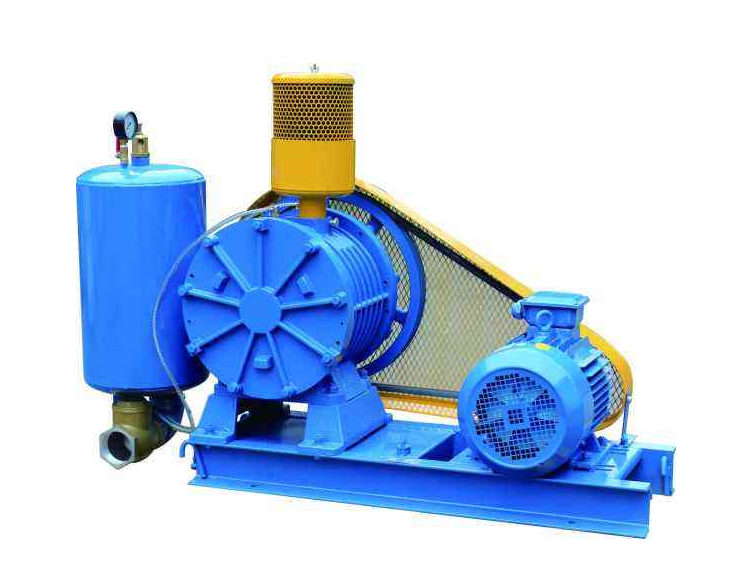
Here, the editor would like to remind you: first check if the blower is properly secured.
Next, the editor will analyze the issues and the reasons that lead to them:
1. Insufficient airflow from the blower
1. Filter blockage
2. Excessive gaps between parts
1. Replace or clean the filter
2. The motor of the blower is overloaded
1. Blower filter blockage
2. Blower pressure is too high
3. Friction between the impeller and the impeller, wall panel, or casing
4. Ensure oil level, ensure cooling water is unobstructed, and meet usage requirements.
3. Severe damage to bearings and gears
1. Poor lubrication oil
2. Insufficient lubrication oil
1. Replace lubrication oil, and replace gears and bearings if necessary.
2. Supplement lubrication oil, and if necessary, replace bearings (consult specialized personnel, do not disassemble casually).
The above points explain why the Roots aeration blower may produce noise and provide solutions. When encountering such situations, you can refer to this information to resolve the noise issue of the Roots aeration blower. If the blower makes noise, do not panic; first, stop the machine and check what caused it. If you cannot find the reason, consult a professional repair service for the Roots aeration blower. Regardless of how strong the quality and performance of the Roots aeration blower are, regular maintenance cannot be neglected. Only by properly maintaining the Roots aeration blower can its lifespan be extended.Aeration Blower
Some friends may ask how to maintain the blower regularly?
1. Regular maintenance of the blower.
1. During use, everyone should pay attention to whether there is friction or foreign objects being sucked in between the impeller and the casing, between the impeller and the wall panel, and between the impellers. Hard foreign objects can easily damage the impeller, leading to excessive pressure and overheating. At this time, usage should be stopped for inspection and repair.
2. During daily use, multiple checks should be performed before use.
3. During long-term operation, due to rusting of the impeller and casing, the working gap may increase, leading to increased leakage inside the blower, higher casing temperature, and reduced blower flow. At this time, the machine should be stopped to measure the gap and take corrective measures.
4. In cold weather, be sure to drain the cooling water after use.
2. Usage requirements for the blower.
1. The inlet gas temperature must not exceed 40°C.
2. The particle content in the medium must not exceed 100mg/m3, and the maximum particle size must not exceed half of the minimum working gap.
3. The bearing temperature during operation must not exceed 95°C, and the lubrication oil temperature must not exceed 65°C.
4. The operating pressure must not exceed the pressure range specified on the nameplate or in the performance table of this manual.
5. The gap between the blower impeller and the casing, and between the impellers, has been adjusted at the factory. Ensure this gap is maintained during reassembly. (If the gap is too large, it affects performance. If the gap is too small, friction and collision may occur due to thermal expansion.)
6. When the blower is running, the oil level in the main and auxiliary oil tanks must be between the two lines on the oil level gauge.
3. Maintain regular inspections.
1. Daily checks.
(1) Check the oil level. Too much or too little lubrication oil can damage the bearings.Aeration Blower
(2) Check the temperature of the main, auxiliary oil, and bearing areas.
(3) Check the pressure of the intake and exhaust to confirm whether the blower is operating normally.
(4) Check the motor load. If the motor load increases, it indicates some abnormal condition, and the cause should be investigated.
(5) Check the sealing effect of the packing.
Key words:

Submit information now to obtain the total solution of wind turbine
To provide users with high-quality products and convenient pre-sale, sale and after-sales service, reflecting the "Ming Feng" to make users satisfied with the whole process of service.
No. 1-3, West First Road North, Fenghuangshan Industrial Park, Puji Street, Zhangqiu District, Jinan City, Shandong Province
Free service hotline