

-
Products

-
-
-
After-sale Service
How to choose the right motor for a Roots blower?
Release time:
2022-05-21
The three-phase asynchronous motor consists of two basic parts: the stator and the rotor. The stator is the fixed part of the motor, used to generate a rotating magnetic field, mainly composed of the stator core, stator winding, and base components. The rotor is the rotating part of the motor, made up of the rotor core, rotor winding, and rotor shaft, which functions to obtain torque under the action of the rotating magnetic field. The rotor is divided into squirrel-cage rotors and wound rotors based on its structure. The winding of the squirrel-cage rotor is cast together with bare conductors placed in the slots of the rotor core, along with annular end rings at both ends and fan blades. Small and medium-sized rotors generally use cast aluminum, while for motors with a capacity greater than 100KW, due to the difficulty in ensuring the quality of cast aluminum, copper bars are often inserted into the slots of the rotor core, welded at both ends with end rings, resembling a squirrel cage. The winding of the wound rotor is similar to that of the stator winding, using insulated conductors embedded in the rotor core slots, forming a three-phase symmetrical winding connected in a star configuration, with the three output terminals connected to three slip rings on the rotor shaft, and then connected to the external circuit through brushes, to improve starting performance or adjust the motor's speed. Squirrel-cage motors have a simple structure, low price, and relatively simple control of motor operation, so they are widely used. In contrast, wound motors have a complex structure, higher price, and relatively more complex control of motor operation, making their application relatively less common. However, wound motors are generally used in heavy load applications due to their larger starting and operating torque.
The three-phase asynchronous motor consists of two basic parts: the stator and the rotor. The stator is the fixed part of the motor, used to generate a rotating magnetic field, mainly composed of the stator core, stator winding, and base components. The rotor is the rotating part of the motor, composed of the rotor core, rotor winding, and rotor shaft, which functions to obtain torque under the action of the rotating magnetic field. The rotor is divided into squirrel-cage rotors and wound rotors based on its structure. The winding of the squirrel-cage rotor is cast together with bare conductors placed in the slots of the rotor core and the annular end rings at both ends, along with the fan blades. Small and medium-sized rotors generally use cast aluminum, while for motors with a capacity greater than 100KW, due to the difficulty in ensuring the quality of cast aluminum, copper bars are often inserted into the slots of the rotor core, welded at both ends with end rings, resembling a squirrel cage.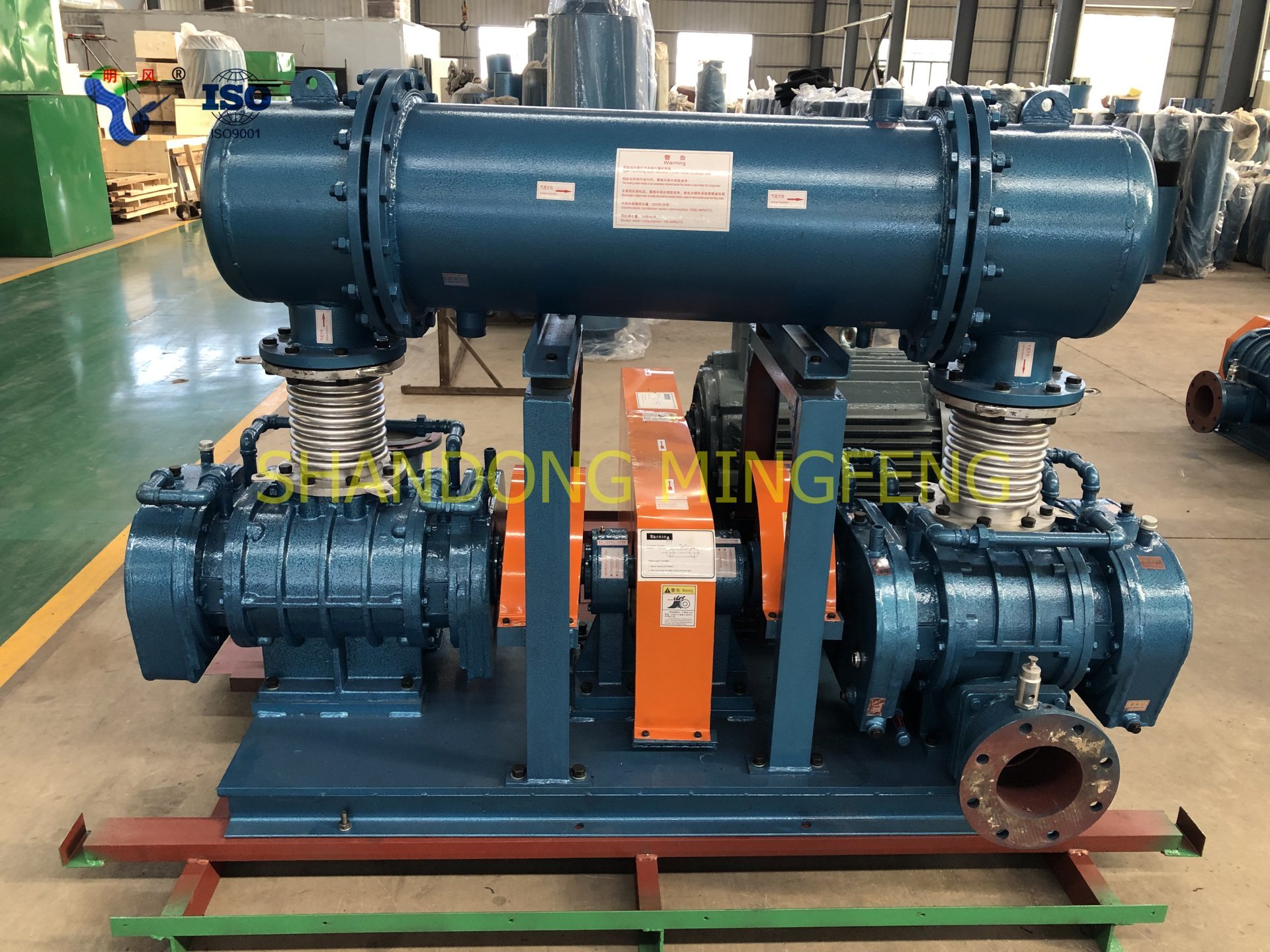 The winding of the wound rotor is similar to that of the stator winding, using insulated conductors embedded in the rotor core slots, forming a three-phase symmetrical winding in a star connection, and then connecting the three output terminals to the three slip rings on the rotor shaft, which are connected to the external circuit through brushes to improve starting performance or adjust the motor's speed. Squirrel-cage motors have a simple structure, low Price, and relatively simple control of motor operation, so they are widely used. In contrast, wound motors have a complex structure, high Price, and relatively complex control of motor operation, making their application relatively less common. However, wound motors are generally used in heavy load applications due to their high starting and running torque.
Key words:

Submit information now to obtain the total solution of wind turbine
To provide users with high-quality products and convenient pre-sale, sale and after-sales service, reflecting the "Ming Feng" to make users satisfied with the whole process of service.
No. 1-3, West First Road North, Fenghuangshan Industrial Park, Puji Street, Zhangqiu District, Jinan City, Shandong Province
Free service hotline